
Have you seen the slogan This Ain’t Yo Mama’s Civil Rights Movement? It is decidedly not one of my favorites, as it suggests that the movement for nonviolent resistance of the 1950s and ‘60s was old- fashioned and weak compared to activism today.
It’s time to revisit just what made the Civil Rights Movement the national political watershed of the 20th century. How did they do it? Through comprehensive strategies fueled by creative and effective tactics.
A strategy is a plan or action implemented to achieve a major aim. Strategies are propelled by tactics, step-by-step actions that help to reach the larger goal.
 Tactics:
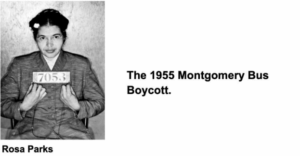
- Several women, including 15-year-old Claudette Colvin and, nine
months later, Rosa Parks, refused to move to the back of
segregated buses, leading to their arrests. All were potential test
cases to challenge segregation in the courts. - The day after Parks’ arrest, a citywide boycott of the Montgomery
bus system began by its African American riders. (The boycott
was pre-planned, just waiting for the right inciting incident to
motivate the masses. - Local cab companies and individuals organized carpools, and
communities raised gas money during the boycott. - Thousands walked everywhere, every day, for a full year, while
buses ran nearly empty.
These tactics supported the overarching economic strategy of draining the bus system of income, finally prompting the city’s white leadership to desegregate Montgomery’s buses.
Tactics:
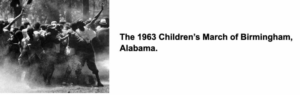
- Famed activists James Bevel and his wife, Diane Nash, pushed for a targeted campaign of civil disobedience using the children they had been teaching in their youth meetings.
- Local radio DJs delivered on-air coded musical messages to the students to march at noon on May 2nd.
- Waves of students simultaneously converged on three pre-arranged places—a park, City Hall, and downtown Birmingham, confusing the local police.
- They were arrested en masse, held, and released, only to return to the march sites by the thousands.
- Crowds blocked entry to the downtown shopping area, prompting tremendous economic losses.
By May 9th, city officials were compelled to reach an agreement with movement leaders that included the desegregation of lunch counters, fitting rooms, restrooms, and drinking fountains. The extreme violent reaction by the police—hoses, clubs, and dogs—was televised on the news, capturing the shock and indignation of the nation and galvanizing the Civil Rights Movement to an international scale.
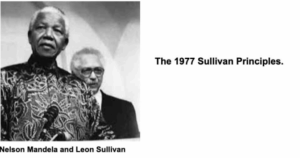 Tactics:
- Launched by the Rev. Leon Sullivan, the first African American to join a major corporate board—General Motors, then the largest American employer in South Africa.
- Designed as an anti-apartheid code of conduct for U.S. companies operating in South Africa.
- Principles included equal and fair treatment, pay, work facilities, training programs, and advancement opportunities for non-white employees, as well as a demand for the release of Nelson Mandela.
- Served as part of the larger 1980s divestment campaign for individual businesses and institutional investors, including universities and unions, along with civil disobedience arrests outside South African embassies.
The principles were adopted by more than 125 major U.S. corporations, 100 of which completely withdrew their operations from South Africa. Sullivan eventually abandoned the principles as not going far enough. However, the era of corporate social responsibility was born.
What these examples have in common is an emphasis on exacting major economic impact fueled by the unity, courage, and steadfast commitment of everyone involved. Every tactic toward justice serves a purpose.
Next month, we will examine the implications of 21st-century economic resistance strategies. After all, in the words of that great Baltimore rip-and-run street philosopher:
“Man, money ain’t got no owners. Only spenders.” —Omar Little, HBO’s The Wire
Upcoming Event: V-WISE Conference for Women Entrepreneur
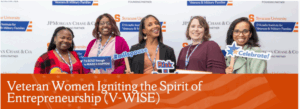
I’m honored to be delivering a keynote and leading a workshop at Veteran Women Igniting the Spirit of Entrepreneurship (V-WISE), May 2 -4, 2025 in Tempe, AZ. The conference is designed to empower women veterans, active-duty service members, and military spouses with the skills to launch and grow their businesses.
V-WISE kicks off with a 4-week online course covering fundamental business skills, followed by a transformative in-person experience. If you or someone you know could benefit from this opportunity, applications are open until March 24, 2025! Learn more and apply here:
I Would Love to Hear from You!
Have any questions about the Inner Road Retreat? I am here to help! Whether you’re curious about what to expect, or just need a little more information, simply hit reply to this email, and I will be happy to answer any questions you have. I look forward to connecting with you! ✨
Until we meet again,
Warmly,
Isisara Bey